EMSC, LLC
EMSC provides light controlling devices and highly stable and low noise light sources for optical……...


Graphenea introduces “Easy Transfer” - the simplest method to transfer monolayer graphene onto a substrate. The company has applied its years of experience in growing and transferring superior quality graphene films to allow users to experiment with any novel substrate by utilizing Easy Transfer.
Using Easy Transfer helps users to avoid metal etching and unsafe chemical handling. Manipulation of thin film is performed at Graphenea when Easy Transfer is used. Bottom layer is removed using this process.
Graphene Film
Growth method: CVD synthesis
Appearance (color): Transparent
Transparency: >97%
Appearance (form): Film
Number of graphene layers: 1
Coverage: > 95%
Thickness (theoretical): 0.345nm
FET electron mobility on SiO2/Si: 4000cm2/Vs
FET electron mobility on Al2O3: 2000cm2/Vs
Grain size: Up to 10µm
Sheet resistance on SiO2/Si: 450±40 Ohms/sq (1x1cm)
Download the Brochure for More Information
Graphene Transfer Procedure
The graphene transfer procedure can be accomplished in three simple steps, as follows:

Release: The sample has to be placed in deionized water slowly while the sacrificial layer/graphene is detached from the support film. There is no need to wet the sample initially. Once the sacrificial layer/graphene is floating, the polymer film should be removed.
Transfer: The sacrificial layer/graphene will be floating in the water. To deposit it onto the preferred substrate, put the substrate into the deionized water and seek out the sacrificial layer/graphene from below. Graphenea recommends tilting of the substrate at 45°. The sacrificial layer/graphene/substrate must then be pulled out and allowed to dry for 30 minutes in air prior to storing it under vacuum for about 24 hours in order to prevent detachment of the graphene from the substrate.
Sacrificial Layer Removal: There are two techniques to remove the sacrificial layer. One is using solvents. Soak the sacrificial layer/graphene/substrate in acetone for one hour, followed by a soak in iso-propyl alcohol for another one hour. Finally, blow the sample to dry it using N2. The second method is thermal treatment. The sacrificial layer/graphene/substrate should be placed inside an oven and the sample should be heated at 450°C in inert atmosphere for two hours.
Download the Brochure for More Information
Applications
Graphene research
Electronics
Flexible batteries
Conductive coatings
MEMS and NEMS
Aerospace industry
Microactuators
EMSC provides light controlling devices and highly stable and low noise light sources for optical……...

Oxidkeramik J. Cardenas GmbH is the manufacturer ceramic parts, to customer defined designs, from……...
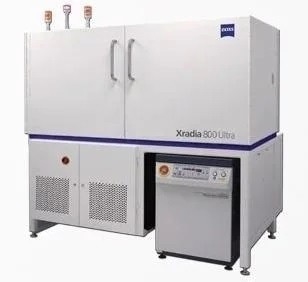
The ZEISS Xradia 800 Ultra X-Ray microscope helps achieve a spatial resolution as low as 50 nm. I……...
在一个由突破和无限可能驱动的世界里,下一代大创新实验室 (NBIL) 如同一座引领远见卓识探索的灯塔。在 N……...
![[db:国别翻译]美国Columbine Plastics Corp](/wp-content/uploads/3upplier3/full_site_logo.png)
Columbine Plastics 精密模具制造车间可以根据您的最终设计,生产各种模具,从低成本铝制模具到多腔热……...

SSAB is a Nordic and US-based steel company. SSAB offers value added products and services develo……...

Item North America is a premier provider of precision ball screws for use as a drive mechanism in linear slides, multi-axis motion and complex material handling devices. item ball screws feature hi……
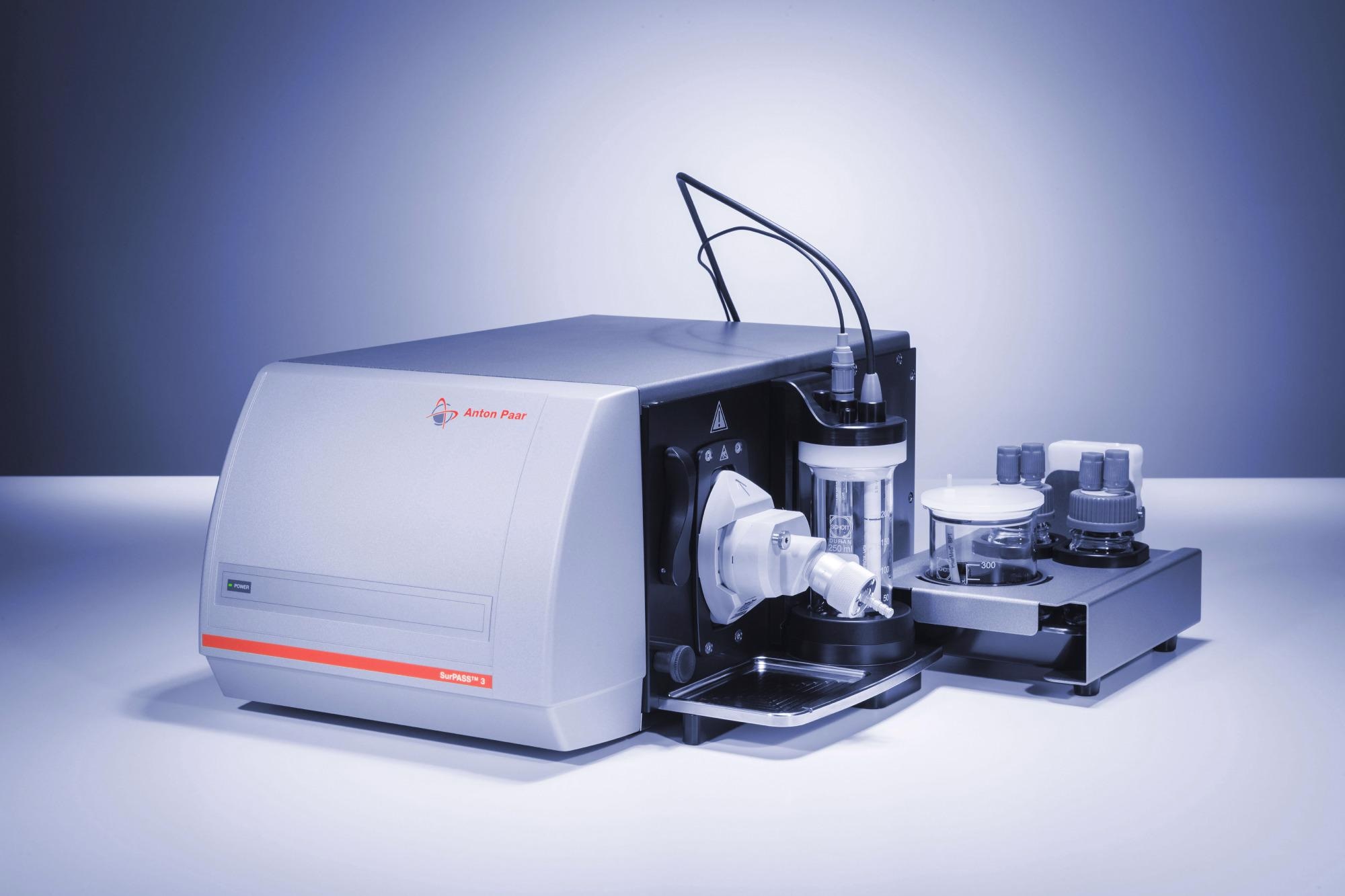
SurPASS™ 3 is capable of measuring the zeta potential over an extensive range of materials and allows the analysis of varied surface properties and their changes. The zeta potential explains ……

AHP Materials is a specialty materials company focused on the manufacturing and selling of high purity specialty metals and compounds. AHP concentrates mainly on Antimony, Cadmium Sulfide, Telluriu……