
Elastocon AB
Elastocon manufactures and sells testing instruments for rubber and plastic materials. Elastocon ……...


Built on a foundation of revolutionary intellectual property, Nanocopoeia has grown into a major nanotechnology player in just 10 years. With beginnings at the University of Minnesota dating back to 2001, the company formally began operations in late 2003 after obtaining worldwide exclusive rights to the patent portfolio developed by Drs. David Pui and Da-Ren Chen. The core patents obtained from the University of Minnesota cover the use of ElectroNanospray™ to create nanoparticles out of virtually any material that can be put into solution or suspension. That patent estate has undergone continual updating and enhancing to broaden Nanocopoeia's claims both through the University and by the company during its operation.
Nanocopoeia obtained its first round of seed investment in 2004, and won its first NIH SBIR research grant for applying therapeutic coatings on medical devices in 2006. That was followed by several grants (both Phase I and II) from the NSF covering different aspects of production development and scale-up for the process of applying therapeutic coatings to medical devices. During this time, Nanocopoeia performed a number of contract coating collaborations with corporate and university clients.
Recognizing that the process equipment used to create medical device coatings can also create therapeutic nanoparticles for directed delivery, Nanocopoeia sharpened its focus on drug delivery in 2008. Bolstered by a series of NSF grants that enabled the company to optimize nanoscale materials for therapeutic use, Nanocopoeia developed a business plan to produce a pipeline of proprietary therapeutic products that could take advantage of the FDA's streamlined approval process known as 505(b)(2). This approval pathway is used for established drugs whose patents are expired, but that have a long history of safety and efficacy data from years of marketed use. It differs from generic drug approval in that it applies to new formulations or routes of administration. Because the FDA can rely upon existing data, the development requirements are streamlined - resulting a potentially shorter path to regulatory filing - and ultimately, to market.
Nanocopoeia's current business strategy is to develop products to the point of mid-stage clinical trials, then out-license them to partners for final development and marketing. Their intellectual property strategy is to patent key aspects of its technology platform, as well as new platform applications and specific products in development. In addition to the patent portfolio and its coverage, Nanocopoeia's licensing partners gain access to the company's extensive knowledge and trade secrets related to manufacturing equipment design and process control.
Primary Activity
Drug Delivery Technology
Elastocon manufactures and sells testing instruments for rubber and plastic materials. Elastocon ……...
![[db:国别翻译]美国MicroSense,LLC](/wp-content/uploads/20upplier20/full_site_logo.png)
MicroSense, LLC,前身为 ADE Technologies,由三大主要业务组成:精密电容式传感器、振动样品磁强计以……...

Wooden spokeshaves are hand tools used for whittling or shaping wood. They consist of a wooden bo……...

Hermance Machine Company provide a wide selection of quality industrial woodworking equipment fro……...

Since 1985, TCI has been continuously manufacturing quality PTFE materials. Our site in Mancheste……...

The Scooptram Automation system developed by Atlas Copco is a state-of-the-art concept which is u……...

Item North America is a premier provider of precision ball screws for use as a drive mechanism in linear slides, multi-axis motion and complex material handling devices. item ball screws feature hi……
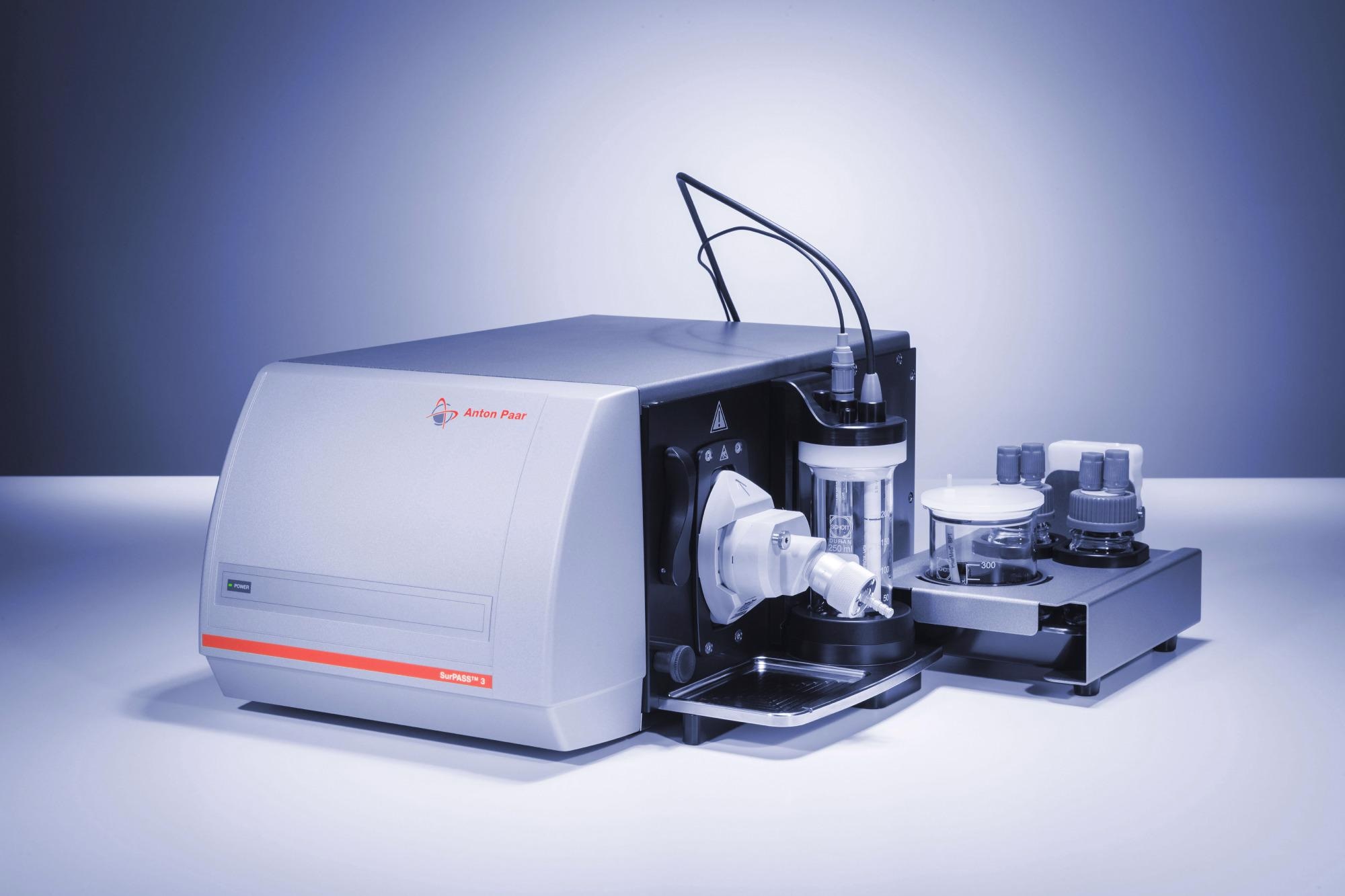
SurPASS™ 3 is capable of measuring the zeta potential over an extensive range of materials and allows the analysis of varied surface properties and their changes. The zeta potential explains ……

AHP Materials is a specialty materials company focused on the manufacturing and selling of high purity specialty metals and compounds. AHP concentrates mainly on Antimony, Cadmium Sulfide, Telluriu……