DSC450: Differential Scanning Calorimetry with Imaging and Temperature Control from < -150°C to 450°C
Differential Scanning Calorimetry (DSC) is a method used for measuring the heat flow and temperat……...


The EDAX pattern region of interest analysis system (PRIAS™) is an innovative imaging platform that leverages synergy to visualize microstructure and offer users new insights into selected materials. PRIAS enables swift material characterization without requiring extensive electron backscatter diffraction (EBSD) pattern indexing.
This imaging technique utilizes up to 25 positional electron detectors by innovatively harnessing the EBSD camera, providing substantial flexibility in image acquisition and presentation. PRIAS offers advantages not only for traditional EBSD materials like metals, ceramics, semiconductors, and minerals but also for novel analyses of plastics and glasses.
PRIAS imaging simultaneously detects multiple contrast mechanisms
Atomic number contrast
Topographical contrast
Orientation contrast
Three modes of operation
PRIAS Live: Utilizing 25 positional detectors, this dedicated mode offers rapid microstructural imaging.
PRIAS Collection: Real-time PRIAS data is captured alongside EBSD mapping data using three predefined detectors.
PRIAS Analysis:This mode involves an in-depth analysis of the EBSD pattern intensity distribution, establishing a direct connection to crystallographic orientation and phase information. It provides enhanced control over detector positioning during analysis.
Advanced Image Processing Capabilities
PRIAS includes a robust toolkit for processing, coloring, and extracting valuable information from the images provided by the various positional detectors
The 25 positional detectors enable the selection of orientation and topographic contrast images. A weighted subtraction method can be employed to generate processed images highlighting phase contrasts.
Any of the 25 positional detectors can be utilized to generate grayscale and color images. Background processing is applicable in both static and dynamic modes.
The disparity in PRIAS detector signals can be calculated and presented as grayscale or colored images. This facilitates the effortless identification of grain boundaries and microstructures, along with providing estimates of grain size.
PRIAS and transmission-EBSD
Transmission-EBSD (t-EBSD) is also compatible with PRIAS and can give extra levels of information from electron transparent samples.
PRIAS provides new insight into user materials
PRIAS gives users tremendous flexibility when it comes to imaging microstructures. PRIAS allows intriguing new perspectives into today’s materials research by integrating up to 25 positional detectors with customizable image viewing and analysis.

Differential Scanning Calorimetry (DSC) is a method used for measuring the heat flow and temperat……...

Dragonfly's software solutions support scientists and researchers to perform complex image a……...

Spectrum has focused its business on the high-speed A/D, D/A and Digital I/O cards in different p……...
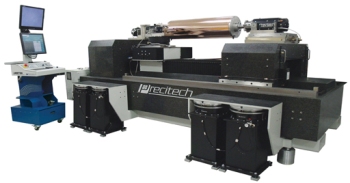
Precitech, manufacturer of ultra-precision machining systems, offers the DRL range of large oil-b……...

Dando Drilling International is a leading UK drilling rig manufacturer for the water well, minera……...
/9-9-I-9M-9M-9-9A-9-9G-9G-9E-1/ 约翰斯·曼维尔(Johns Manville)是一家伯克希尔·哈撒韦公司(Berks……...

Item North America is a premier provider of precision ball screws for use as a drive mechanism in linear slides, multi-axis motion and complex material handling devices. item ball screws feature hi……
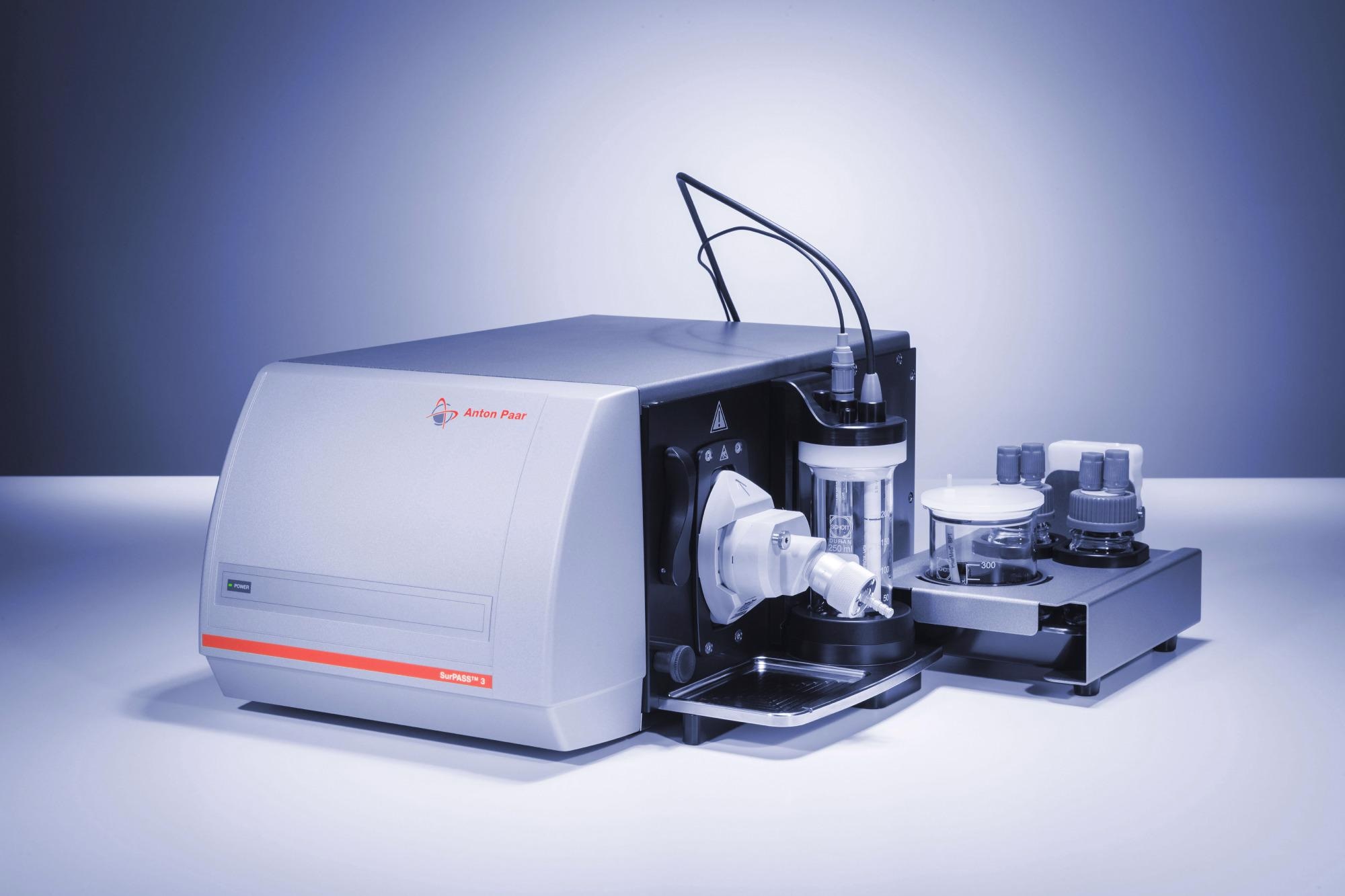
SurPASS™ 3 is capable of measuring the zeta potential over an extensive range of materials and allows the analysis of varied surface properties and their changes. The zeta potential explains ……

AHP Materials is a specialty materials company focused on the manufacturing and selling of high purity specialty metals and compounds. AHP concentrates mainly on Antimony, Cadmium Sulfide, Telluriu……